Introduction
When handling minor cuts, blisters, or abrasions, probably the most ultimate wound care treatments out there today is the hydrocolloid bandage. Many folk are turning to hydrocolloid gel for its unbelievable skill to sell quick recovery even as supplying a protecting barrier towards exterior components. But how long should still you prevent on a hydrocolloid bandage for most desirable outcomes? This article will discover everything you desire to recognise about hydrocolloid bandages, from software methods to top of the line length of damage and past.
Understanding Hydrocolloid Technology
What Is Hydrocolloid?
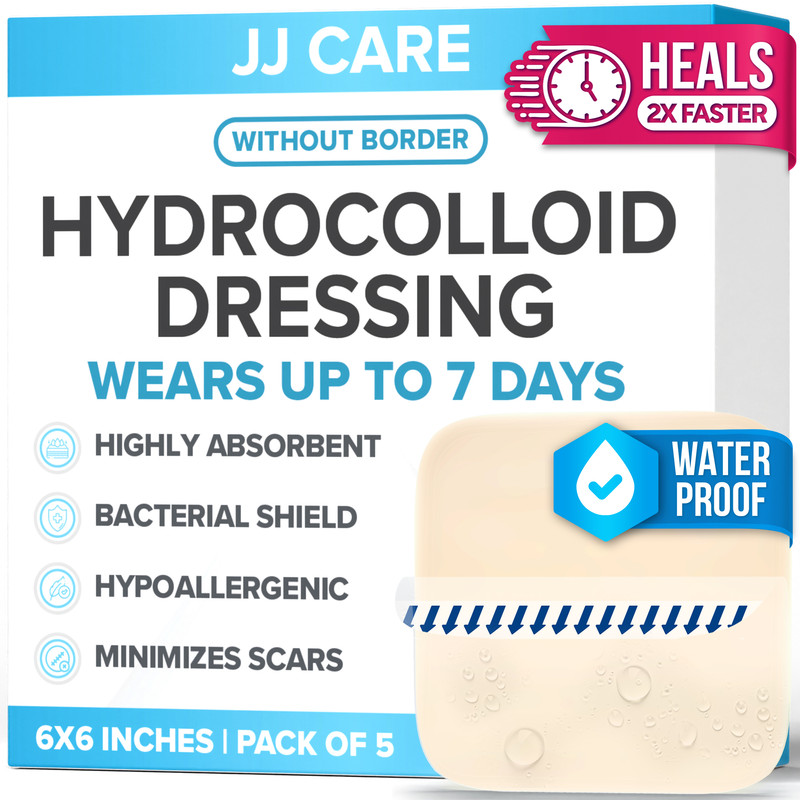
Hydrocolloids are materials that sort a gel-like consistency while in touch with moisture. The exact residences of hydrocolloid gel assist in developing a wet surroundings that promotes swifter therapy. When applied as a dressing, it absorbs exudate whilst also preventing JJ CARE Hydrocolloid Dressings exterior bacteria from getting into the wound.

How Do Hydrocolloid Bandages Work?
Hydrocolloid bandages leverage this gel technology to create an most well known medication setting. By trapping moisture, they lend a hand facilitate cellular regeneration, thereby speeding up the treatment method. They supply cushioning and preservation towards friction and rigidity, making them splendid for parts susceptible to infection.
Hydrocolloid Gel: A Versatile Solution
Uses of Hydrocolloid Gel Bandages
Blisters: Ideal for shielding blisters from friction. Acne: Some use hydrocolloid bandages on pimples to decrease inflammation. Cuts and Scrapes: Effectively continues minor wounds wet for enhanced recovery. Surgical Sites: Often recommended post-surgical operation on account of their defensive traits.How to Apply Hydrocolloid Dressing?
Step-by means of-Step Application Guide
Clean the Wound: Gently wash the affected vicinity with soap and water. Dry Thoroughly: Pat dry with a clean fabric. Select the Right Size: Choose a hydrocolloid bandage that effectively covers the wound. Apply Smoothly: Place the adhesive part directly over the wound without stretching it. Press Down Gently: Ensure it be nicely adhered however steer clear of causing discomfort.Tips for Successful Application
- Make positive your arms are clear earlier handling the bandage. Avoid touching the adhesive area as a good deal as a possibility. For higher wounds, take into account overlapping smaller bandages if integral.
How Long Should You Keep on a Hydrocolloid Bandage for Best Results?
The question that continuously arises is, "How long should still you leave on hydrocolloid bandages?" The answer can differ depending on a number of components similar to:
The form and severity of the wound Individual skin sensitivity The volume of exudate producedGenerally talking, most hydrocolloid bandages may be left on for three to 7 days unless they became saturated or birth peeling off upfront.
Signs It’s Time to Change Your Hydrocolloid Bandage
Knowing when to substitute your dressing is very important:
- If it becomes saturated with fluid If you be aware any symptoms of infection (expanded redness or warmness) If it begins to peel faraway from your skin
Factors Affecting Healing Duration
Wound Type and Severity
Lacerations versus abrasions would heal at one of a kind prices when treated with hydrocolloids.
Individual Health Conditions
Diabetes or circulatory disorders can also delay therapy time particularly.
The Healing Process of a Cut
Understanding how a lower heals can shed faded on why hydrocolloids work comfortably:
Inflammatory Phase: Blood clots kind across the wound web site. Proliferative Phase: New tissue starts offevolved to type beneath the scab or dressing. Remodeling Phase: Collagen fibers reorganize and mature in strength and elasticity.Fast Healing Techniques Using Hydrogel Dressings
Moisture Management
Hydrogel dressings keep an ideal degree of moisture which hurries up cellular phone migration—a key ingredient in swift curative.
Protective Barrier
By conserving unsafe micro organism out while permitting oxygen in, those bandages create an most suitable environment conducive for healing.
Common Questions About Hydrocolloids
FAQ 1: Can I Use Hydrocolloid Bandages on Acne?
Yes! Many humans in finding luck employing them for zits medication with the aid of their means to take in excess fluid while defending inflamed regions.
FAQ 2: How Often Should You Change Bandages?
It traditionally depends on saturation degrees; having said that, altering each few days is really helpful except in another way indicated with the aid of healthcare services.
FAQ 3: What If My Bandage Sticks To The Wound?
If this occurs, soak it lightly in hot water until now attempting elimination; under no circumstances rip it off right now as this could exacerbate injury.
FAQ 4: Does Drinking Water Help Heal Wounds?
Staying hydrated aids typical health and can support speedier recovery approaches with the aid of improving move and nutrient birth in the time of your frame.
FAQ 5: Why Is My Wound Itching While Healing?
This may additionally suggest new epidermis boom under; even though, chronic itchiness can also signal an allergy—check with healthcare experts if in doubt!
FAQ 6: Is Scabbing Good For Healing Cuts?
Scabs function traditional boundaries for the period of restoration yet should always not be pressured off as they shelter underlying tissues unless wholly healed.
Conclusion
In precis, understanding how long must always you avert on a hydrocolloid bandage for most suitable results is quintessential for fantastic wound control. These flexible dressings not basically accelerate medication but also offer remedy at some point of the restoration activity. Always matter that whereas these items offer superb strengthen whilst used well, being attentive to your body's indicators is valuable for attaining top-quality influence.
Feel unfastened to refer back whenever you have got questions about utilizing hydrocolloids simply!